™
All Policy & Regulation
-
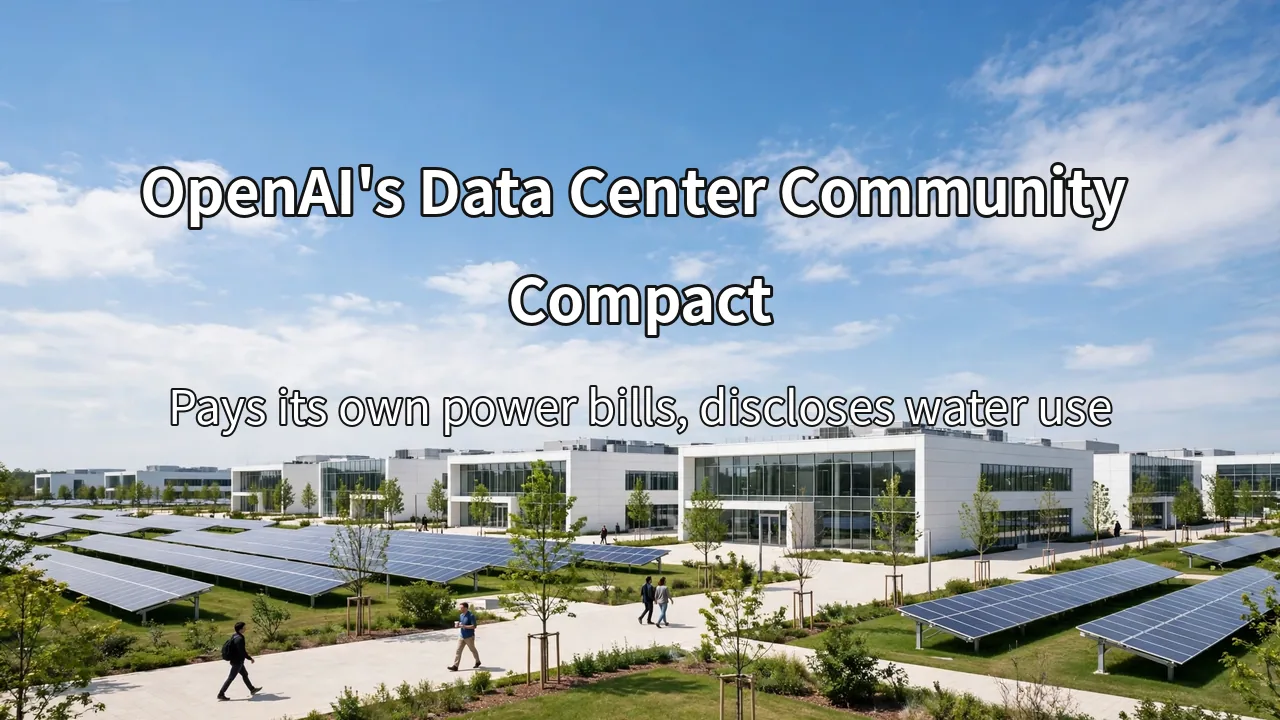
OpenAI Publishes Data Center Community Compact: Pays Its Own Power Bills, Discloses Water Use, Drops NDAs
Why it matters40 of 41 local data-center restriction measures passed in the midterms, and OpenAI promptly put power bills, water use and NDAs into written commitments, while pushing legislation to make the same rules apply industry-wide.
-
Oracle Cancels $7B Tencent Chip Lease as Pressure From Both Sides Ends Remote-Compute Deal
Why it mattersThis is the first high-profile cancellation on the remote-compute leasing route, putting other US cloud providers' arrangements with Chinese companies in line for observation.
-
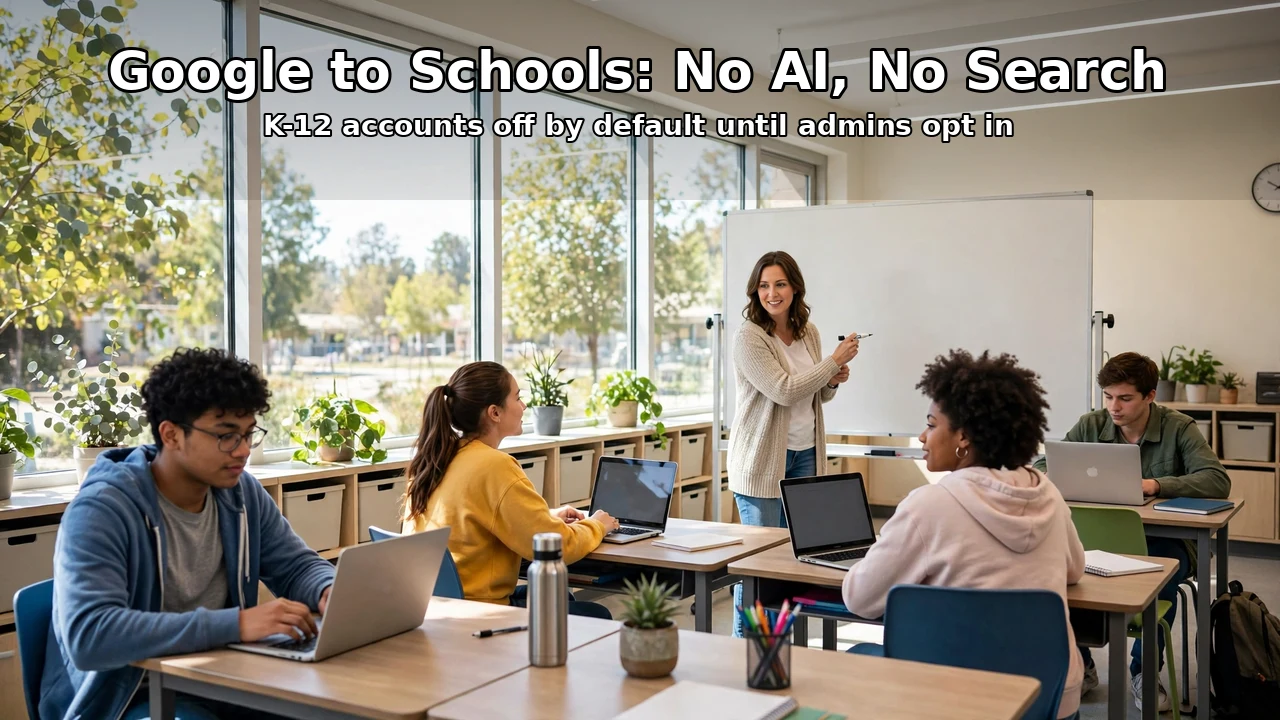
Google to Schools: No AI, No Search
Why it mattersGoogle has tied Search availability on school accounts to accepting AI, leaving schools to choose between AI search and no search.
-
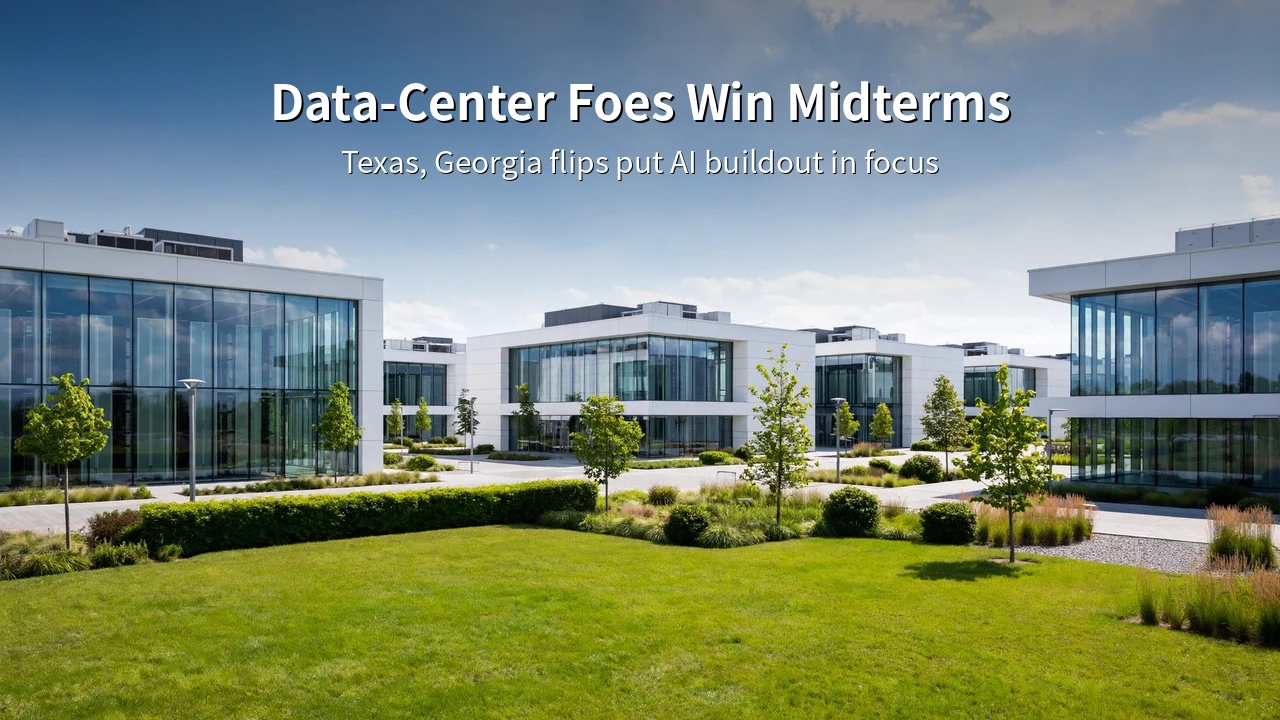
US Midterms Hand Data-Center Opponents Big Wins, Clouding AI Regulation Outlook
Why it mattersData center construction became one of the issues deciding governors' races for the first time, with state-level pause and freeze proposals entering the governing agenda, so siting, power and tax arrangements for AI infrastructure face new approval variables.
-
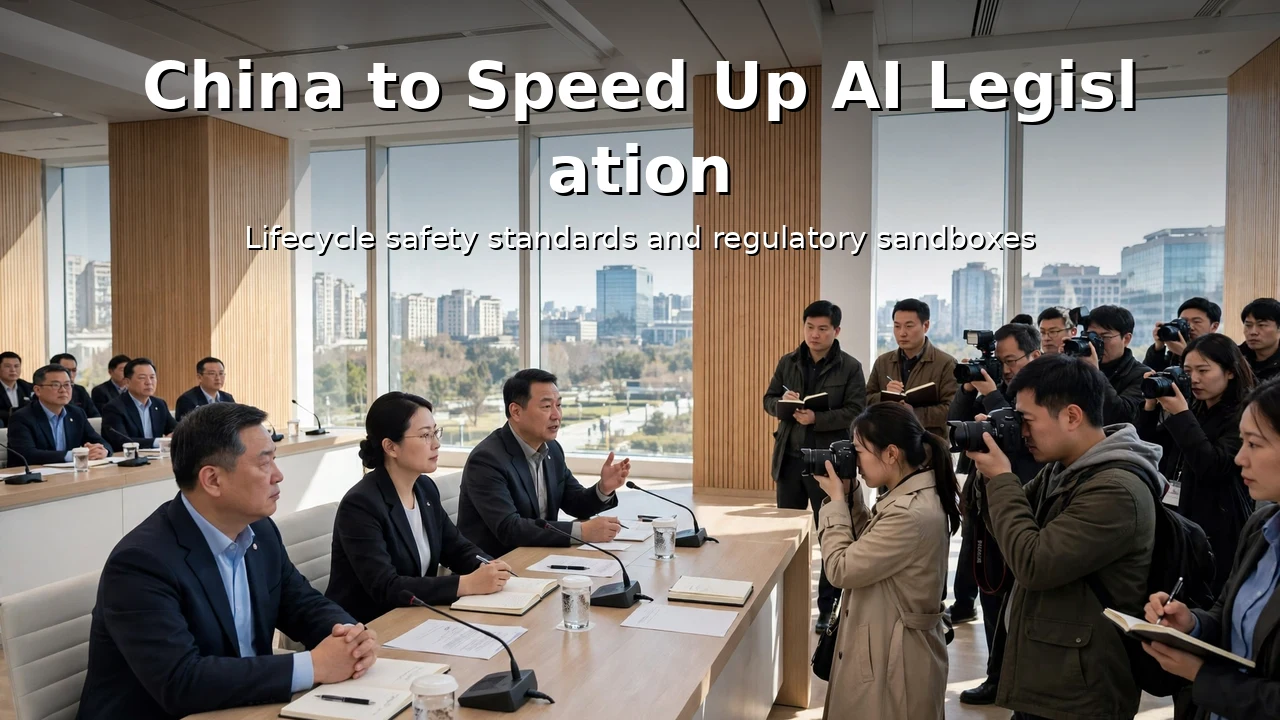
China to Accelerate Comprehensive AI Legislation Covering the Full Lifecycle
Why it mattersChina's AI governance moves from single-topic rules such as those for generative AI services toward foundational legislation covering the full process from development to application, with one framework covering data, computing power and algorithms.
-
NYT Sues Brave Over AI Scraping of Its Content
Why it mattersThe suits shift the target from AI companies to the infrastructure provider supplying the index and retrieval, and the outcome will shape the boundaries for search indexes, AI answer citations and paywall rules.
-
HKMA Launches Project SAGE to Govern Agentic Finance
Why it mattersAs agents start spending, procuring and settling on users' behalf, identity, authorization and liability reach the regulatory agenda ahead of large-scale adoption, and Hong Kong puts use-case validation, KYA and interoperability standards in one framework, extending banks' and payment firms' compliance boundary from people to agents.
-
ETSI Publishes Deepfake Safeguards TS 104 275: Prevention Starts at Design, Not Just Detection
Why it mattersThe specification turns risk assessment, content labelling, human oversight and ongoing monitoring into testable requirements, so buyers can question suppliers against one shared standard instead of relying on general safety commitments.
-
Wikimedia Foundation Weighs In on NYT v. OpenAI: Split Training From Chatbot Answers
Why it mattersWikimedia takes a middle position in the most closely watched US AI copyright case, with different rules for training and retrieval-based answers, and the ruling will affect open knowledge projects and how chatbots cite sources.
-
Four AI Labs Back a Shared Training Opt-Out Signal
Why it mattersThis is the first time the largest model builders have aligned on one training opt-out mechanism, with a single declaration covering multiple participating providers.